Dr Christine's Top 5 Holiday Hazards to Avoid This Christmas
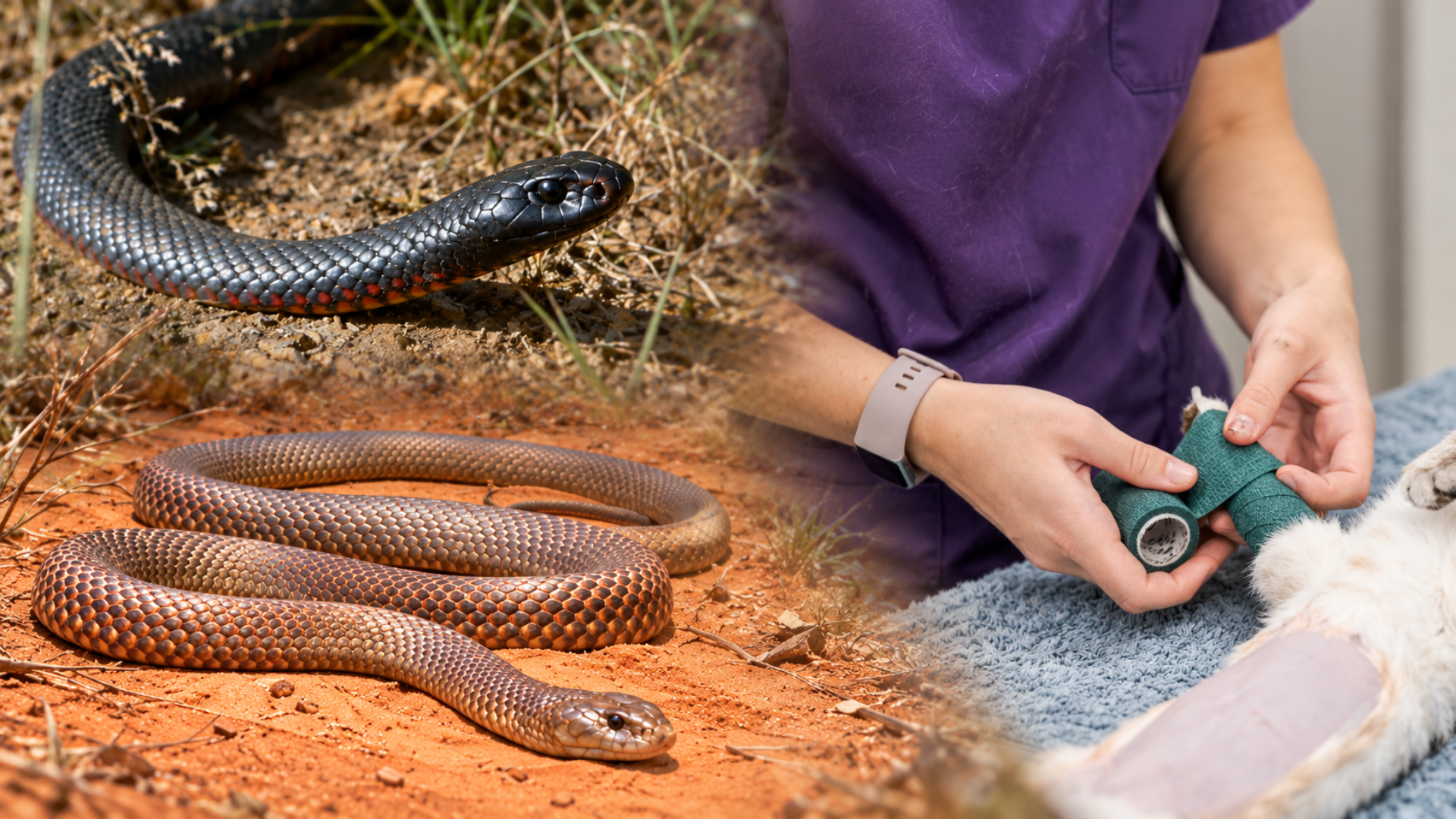
One of the most important things to remember this snake season is that your pet doesn't need to look unwell to be in danger.
They may collapse and recover, seem a little quieter than usual or show no signs of illness in the hours following an encounter.
If you suspect your dog or cat has encountered a snake, don't take a wait-and-see approach.
Contact Condamine Veterinary Clinic immediately for advice and assessment. If we're closed, seek assistance from an emergency veterinary hospital without delay.
Snake season is part of life in South East Queensland, but recognising the warning signs and acting quickly can make all the difference.
The Christmas holidays are almost here! And while we're busy planning road trips, beach days and some well-earned downtime, there's one family member we don't want to forget about. Our pets!
Whether you're heading to the coast, travelling interstate or enjoying Christmas at home, a little preparation can go a long way in keeping your furry friends happy and healthy.
Dr Christine, in between helping the team treat numerous tick and snake bite patients (this year has been a wild one!), has put together her top 5 holiday hazards to look out for, along with a handy checklist to help you prepare.
1. Overheating & Heatstroke
Queensland summers can be HOT, and our pets feel it too!
Heatstroke is a serious risk, particularly for pets travelling in cars, exercising in the middle of the day or spending time outdoors without adequate shade.
Always pack plenty of fresh water, plan for regular breaks and make sure your pet has somewhere cool to rest. Avoid overexertion, especially during the hottest parts of the day.
Remember, if it's too hot for you, it's probably too hot for your pet!
2. Common Holiday Toxicities
Christmas often comes with plenty of treats, but not everything on our festive menu is safe for our four-legged friends.
Chocolate, grapes, raisins, macadamia nuts, onions and foods containing xylitol (also called birch sugar) can all be dangerous for pets.
And if you're heading to the beach, keep an eye on how much salt water your dog is drinking. Excessive salt water consumption can cause serious illness.
Curious country pets might also be unfamiliar with marine life, so watch for encounters with jellyfish, pufferfish and other potentially harmful sea creatures.
If you suspect your pet has eaten something toxic, contact a vet immediately.
3. Travel Sickness & Anxiety
Heading off on a Christmas road trip? Sounds fun!
Just like us, pets can experience motion sickness and travel anxiety, particularly on longer journeys.
The good news is that medications are available to help make travelling more comfortable. However, not every medication works for every pet, so it's important to speak with your vet and trial any prescribed treatment before your departure date.
A little planning now can make for a much more enjoyable trip for everyone!
4. Parasites in Unfamiliar Places
Travelling somewhere new? Your pet might need some extra protection.
If you're heading to coastal areas, make sure your pet's heartworm prevention and paralysis tick protection are up to date.
For those travelling to northern Queensland, the Northern Territory or Western Australia, it's also important to be aware of Ehrlichiosis, a serious tick-borne disease affecting dogs.
Depending on your destination, additional tick protection, including a suitable tick collar, may be recommended.
Chat with our team before travelling so we can help you choose the right protection for your destination.
5. Running Out of Essential Supplies
One of the most easily overlooked holiday hazards? Running out of your pet's essentials when veterinary clinics and suppliers are closed!
Christmas shutdown periods can mean delays in accessing prescription medications, specialised food and other important supplies.
We recommend organising at least a month's supply of regular medications ahead of the Christmas break, along with enough prescription food to see you through.
It's also important to check your pet's vaccinations are up to date, particularly if they're heading to boarding facilities. If they've fallen behind, additional doses or waiting periods may be required, so don't leave this until the last minute!
Your Pet's Christmas Holiday Checklist
Before you pack the car and head off on your holiday, here's a quick checklist:
☐ Vaccinations are up to date.
☐ At least one month's supply of regular medications organised, with clear instructions
☐ Prescription food stocked up for the holiday period
☐ Travel sickness or anxiety medications discussed and trialled if needed
☐ Heartworm, tick and other parasite prevention appropriate for your destination
☐ Plenty of water and shade solutions packed
☐ Pet first aid kit in the car
☐ Contact details for a veterinary clinic or emergency hospital near your holiday destination
A pet first aid kit is particularly handy if you're travelling long distances or heading somewhere remote. There are plenty available online, and our team is happy to help guide you towards a suitable option.
The holidays should be a time to relax and make memories, not spend them worrying about an unexpected trip to see us (aka the vet)….
If you're planning to travel with your pet this Christmas, or need to organise vaccinations, medications or prescription food before the holiday shutdown, get in touch with the team at Condamine Veterinary Clinic sooner rather than later.
We're here to help you and your furry family members enjoy a safe, happy and healthy Christmas!
Written by Dr Dr Christine Stirling,
BVSc (Hons), MANZCVS, Owner and Veterinarian at Condamine Veterinary Clinic.
This article is general information only and is not a substitute for veterinary advice. If you're worried about your pet, call us or your nearest emergency vet.
Recent Posts